
How to Start a Streaming Business in 2026: A Guide
Learn how to start a streaming business in 2026 with practical steps for content licensing, OTT platform setup, monetization, budgeting, and launch.


Table of contents
How to Start a Streaming Business in 2026
There are many factors to consider when starting a streaming service. You will need to target a certain audience, have licensed content, good technology and a long term plan for making money.
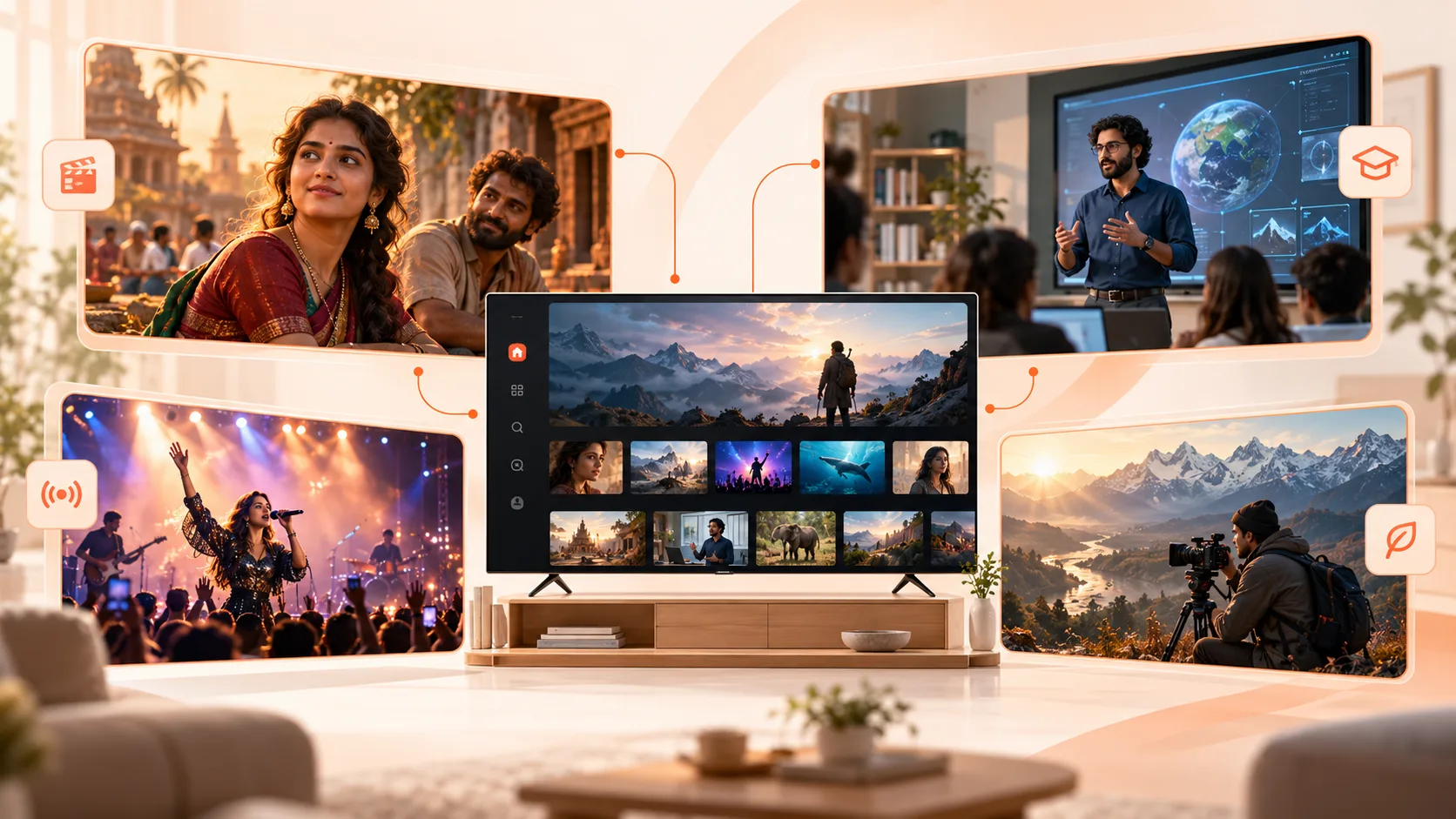
To understand how to start a streaming business in 2026 it’s best to start with niche content. Having a well planned out OTT business can attract audiences wanting regional films, educational content, documentaries and live content.
Quick Answer
What Do You Need Before Starting a Streaming Business?
Decide what makes your streaming service appealing.
If you want a large range of entertainment then you may need to spend a lot of money on licensing. Alternatively, a niche streaming service would have a specific audience and build their library of content over time.
Consider these opportunities:
Regional entertainment: Movies, series, and shows in particular languages.
Educational streaming: Courses, professional training, and tutorials.
Live events: Sports competitions, concerts, and conferences.
Specialized entertainment: Independent films, documentaries, or community programming.
Do some market research to understand your audience, competition and what they are willing to pay.
Decide if you want to build your own infrastructure or use a white label OTT platform to create your branded streaming applications.
This will depend on your budget, technical capabilities and long term needs.
How Can You Acquire Content Legally?
Content licensing is one of the most important steps in starting a streaming service.
You can create original programming, license existing titles, or partner with independent producers and distributors.
Before adding third party content, verify:
- Distribution rights: Permission to stream the content.
- Geographical rights: Countries where distribution is allowed.
- Licensing duration: The approved availability period.
- Monetization permissions: Whether advertising, subscriptions, or rentals are permitted.
- Device rights: Whether distribution covers web, mobile, and television apps.
For example, licensing a documentary for streaming in India does not automatically provide permission to distribute it internationally.
Keep agreements and expiration dates organized to avoid unauthorized distribution.
Which Streaming Business Model Should You Choose?
Your monetization model determines how the service earns revenue.
Different models suit different content strategies and viewing preferences.
| Revenue model | How it works | Suitable for |
|---|---|---|
| SVOD | Monthly or annual subscriptions | Premium content libraries |
| AVOD | Free viewing supported by advertisements | Broad entertainment audiences |
| TVOD | Individual rentals or purchases | Films and exclusive releases |
| FAST | Free scheduled channels with advertising | News and linear programming |
| Hybrid | Combines multiple revenue models | Services with varied audiences |
Enable users to sign up to receive new releases on a monthly subscription basis.
Price based on the cost of the content, popularity and how much money you can earn from it. Don’t just copy others' prices.
What Technology Is Required for an OTT Platform?
There are several aspects to a streaming service.
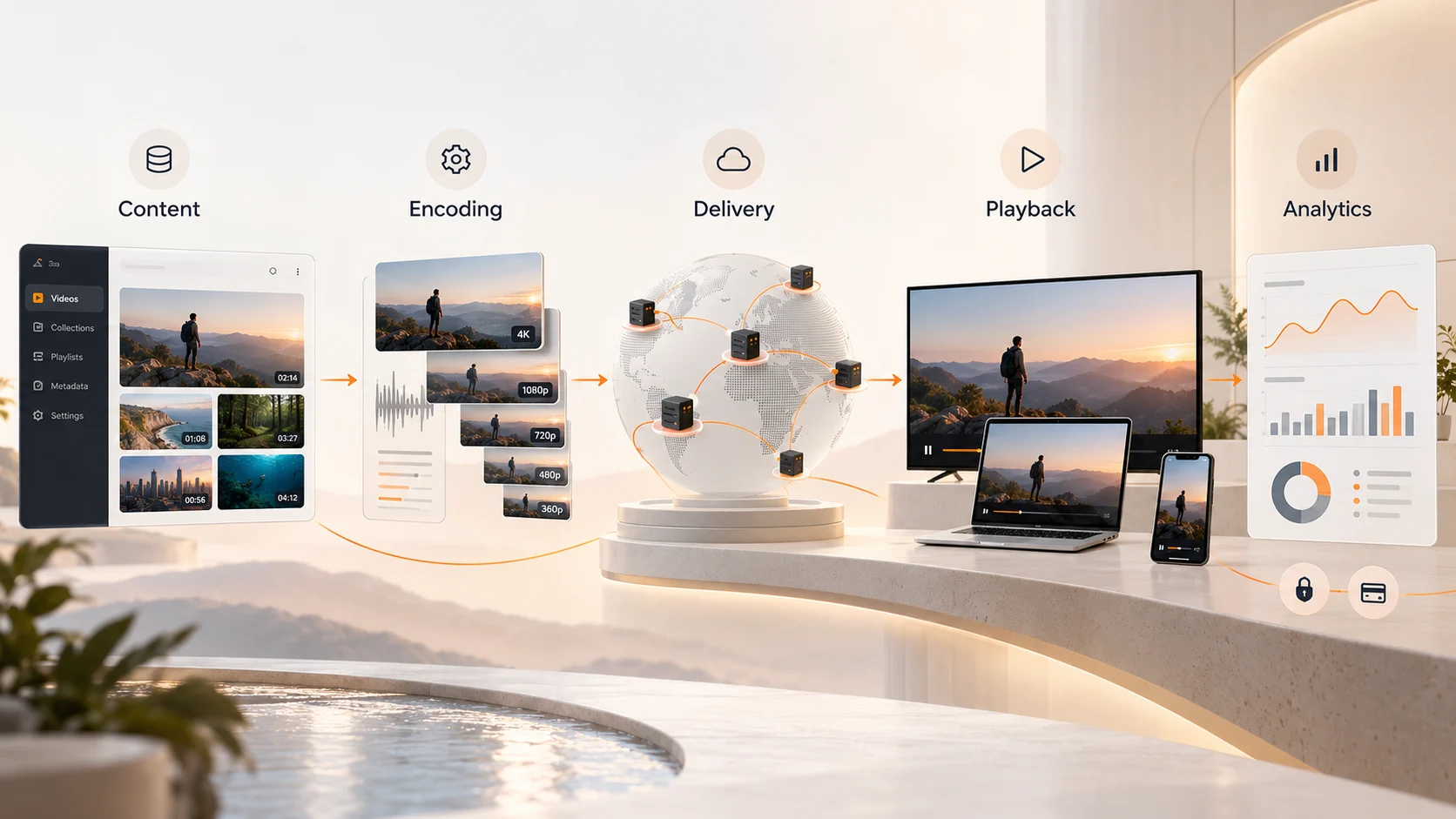
Storage, Management, Encoding, Playback, Security & Payment.
Key Features of a Streaming Platform
Content Management System: Control your video, description, categories & scheduling.
- Adaptive Bitrate: Ability to change the quality of your video based on internet speeds.
- Content Delivery Network: Efficient delivery of your video.
- Digital Rights Management: Protection of your licensed content.
- Analytics: View your content viewing habits & performance.
- Multi device: Available via the correct apps.
When comparing providers, think about how their features on the OTT platform will help you.
Don’t go for the provider with the most features but instead go for someone who can ensure smooth playback, secure content and easy management.
How Much Does Starting a Streaming Business Cost?
Startup costs will vary depending on the content you’re licensing, the platform infrastructure, devices you’re supporting and how complex your business is.
You’ll want to factor in one off costs and ongoing costs.
Primary costs will be:
- Content licensing or creation
- Platform development (software, app development and integration)
- Video hosting, encoding, bandwidth and CDN
- Customer support, maintenance & admin.
- Marketing, advertising, partnerships and audience growth.
Other considerations to factor into a realistic budget would be payment processing, content renewal and any unexpected technical needs.
Work out how much income you need to cover your monthly running costs before investing in a large content library.
How Do You Launch a Streaming Service Step by Step?
Once you have identified your ideal audience, decided on what content you’ll be providing and chosen your streaming technology you can start planning your launch process.
- Create your first library: Create a small amount of videos (either licensed or your own) that will be added to the platform. These should include thumbnails, descriptions, categories, subtitles and key information.
- Set up your streaming apps: Add your branding, navigation, categories, payment options and user permissions to your streaming apps.
- Test: Ensure videos can be played on the right devices and internet connections. Also test that users can register, pay, use subtitles and return to watch where they left off.
- Soft launch: Invite a small audience to try out the service and ask them to let you know if there are any technical issues or confusing navigation.
- Launch: Get your platform out there by showing content previews, using the right communities, email marketing and partnerships.
- Track performance: Track how engaged your users are, how many unsubscribed, if there are any playback issues and how many return viewers. This can help to improve your platform.
How Can You Build a Content Library That Keeps Viewers Interested?
Plan your content offering in line with your streaming platform.
For example, if your business is based around independent films you could start with curated content but create themes and time specific releases.
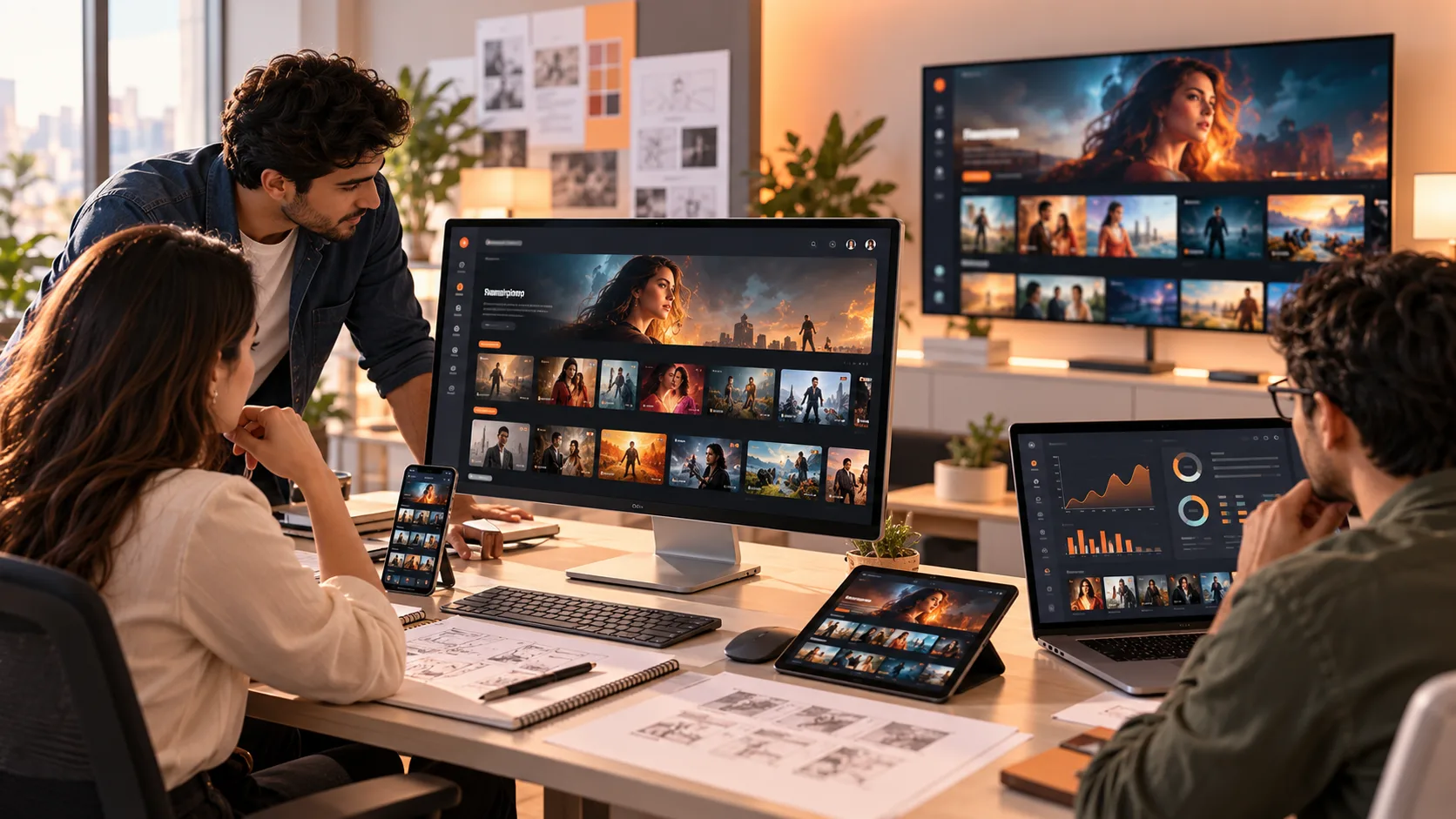
Use a quality video on demand platform to help organise your content. With search functionality and easy navigation your content will be easily findable.
Plan future content according to what your audience likes.
Including watch lists, personal recommendations, timely alerts and accurate content details helps retain your audience.
What Mistakes Should New Streaming Businesses Avoid?
Several common decisions can result in unnecessary costs:
- Not checking licensing details
- Launching on too many platforms before testing core features
- Not accounting for long term costs of using bandwidth and support
- Pricing subscriptions without knowing how much it will cost to run
- Ignoring failure to play and issues reported by subscribers.
A smaller but reliable launch is better than an ambitious launch with technical issues.
Final Thoughts
Starting a Streaming Service in 2026
Know your niche, make sure everything is legal and provide a good watching experience. Your tech should be scalable and work for now.
The most important thing is knowing what your audience is watching/engaging with and where they are having problems. This means you can spend your money on the correct areas.
For more insights into streaming businesses and OTT industry developments, explore streaming industry updates on LinkedIn.
Planning to launch or modernize an OTT platform?
StreamPlay helps media companies, sports leagues, and broadcasters launch branded OTT aggregator apps with CMS, monetization, discovery, and multi-device support.
Frequently Asked Questions
Is coding required to start a streaming business?
No. White label OTT platforms will enable you to create a branded streaming application with no coding required.
How much will it cost me to start a streaming business?
Cost depends on any content licensing, platform development, video delivery, device compatibility and marketing needs.
Do I need licensing to stream films?
Yes. You will typically require distribution rights to show third party films/shows.
How do streaming businesses make money?
Streaming businesses make money by offering paid subscriptions, advertising, pay per view or a mixture of the above.
What technology do I need to run a streaming service?
A video hosting platform, CMS, CDN, adaptive streaming, DRM, payment gateway and analytics are essential technologies.
How can I get people to sign up to my streaming platform?
Provide relevant content at an affordable price with easy navigation, good quality playback and regular promotions.