Streaming Platform Trends to Watch in 2026
Explore the streaming platform trends shaping 2026, from AI recommendations and FAST channels to connected TVs, live sports, and practical OTT strategies.


Table of contents
Streaming Platform Trends to Watch in 2026
Streaming audiences are more entertained than ever before, but it can be difficult to get the exact shows that one wants to watch. There are numerous subscriptions, a split content library, and varying playback performance, which has reset what viewers expect from the platforms.
By understanding how the trends affect the space, over the top (OTT) companies will reestablish the advantage by focusing on discovery, monetization, and retention strategies. The attention in 2026 is shifting back to substance. The industry is looking to provide a richer experience on any screen.
Quick Answer
The main trends in the Over The Top (OTT) space in 2026 will be AI powered personalization, ad supported subscriptions, connected TVs, sports, aggregation, regional content, and improved quality of streaming. All trends are related to providing more discoverability and monetization opportunities for the platforms and improving the quality of services. Streaming providers must assess these trends according to the audience, available content libraries, and technological capabilities. The recommendation engine, reliability, localization methods, and monetization techniques will benefit the companies by improving the user experience and increasing efficiency. It is critical to invest in meeting consumer expectations and conduct thorough research and strategic analyses to spot emerging trends.
Why Are Streaming Platforms Changing in 2026?
Streaming competition is becoming a battle of convenience, affordability, and viewer retention. A deep catalog of content is no longer a distinguishing feature if the interface is not intuitive and buffering occurs frequently.
There are three key factors driving the transition in the streaming industry :
Viewers' fatigue with subscription services
The fragmentation of desirable content across multiple platforms
And the growing demand for compatibility with various devices
These forces will profoundly change the industry landscape in the years to come.
For operators entering this market, a white label OTT platform can provide the foundation for launching a branded streaming service without developing every technical component independently.
What Are the Biggest Streaming Platform Trends in 2026?
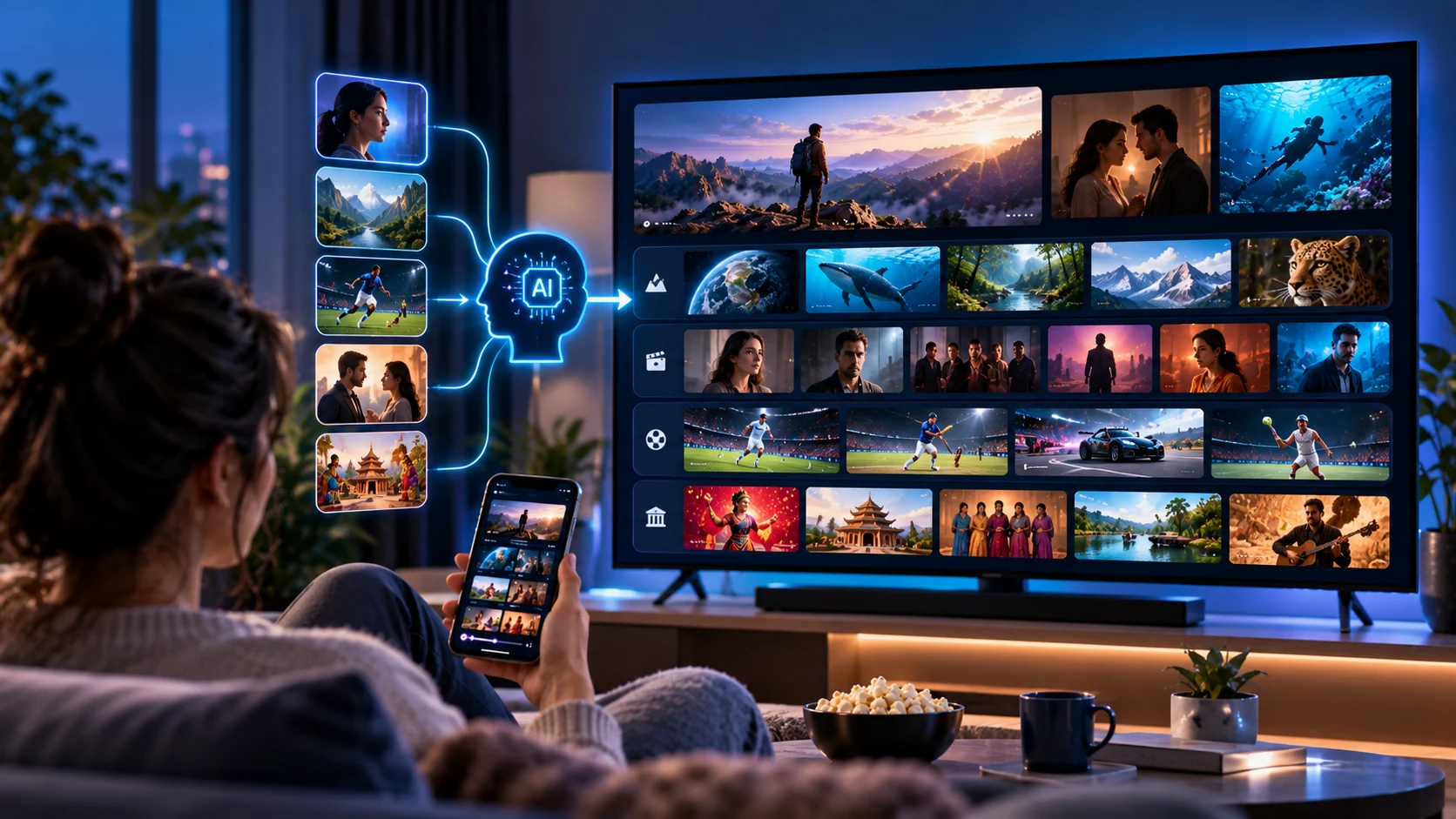
AI Powered Personalization Is Transforming Content Discovery
Finding something interesting to watch can be a challenging task, especially with so many options available.
Luckily, there are algorithms that can help you find exactly what you are looking for.
Some examples of this include :
- More personalized suggestions for movies and television shows
- Better search options
- Suggestions based on languages
- More personalized home feeds
For example, someone who often watches crime documentaries may get more suggestions for true crime content rather than a random action film that is currently popular.
As effective as these suggestions can be, it is important that the algorithm knows what it is suggesting. With that being said, it can also be helpful to get options that one may not typically choose.
2. Ad Supported Streaming Is Creating New Revenue Opportunities
While paid subscriptions are essential, ad based streaming is increasing and providing viewers with more choices.
Two such business models are worth mentioning.
The first one is AVOD (Advertising Video on Demand), which means choice of what to watch with additional ads viewing.
The second one is FAST (Free Ad Supported Streaming TV), which is about giving viewers watching TV-like channels for free with ads.
However, companies could also go for hybrid business models, combining both free and premium subscriptions with advertisements.
The issue is that too many ads could drive customers away, though they have the ability to choose what to watch for free.
In addition, it is necessary to balance the amount of commercials and quality of programming so that people do not get frustrated and switch to a competitor's services.
3. Connected TV Is Changing How Platforms Design Viewing Experiences
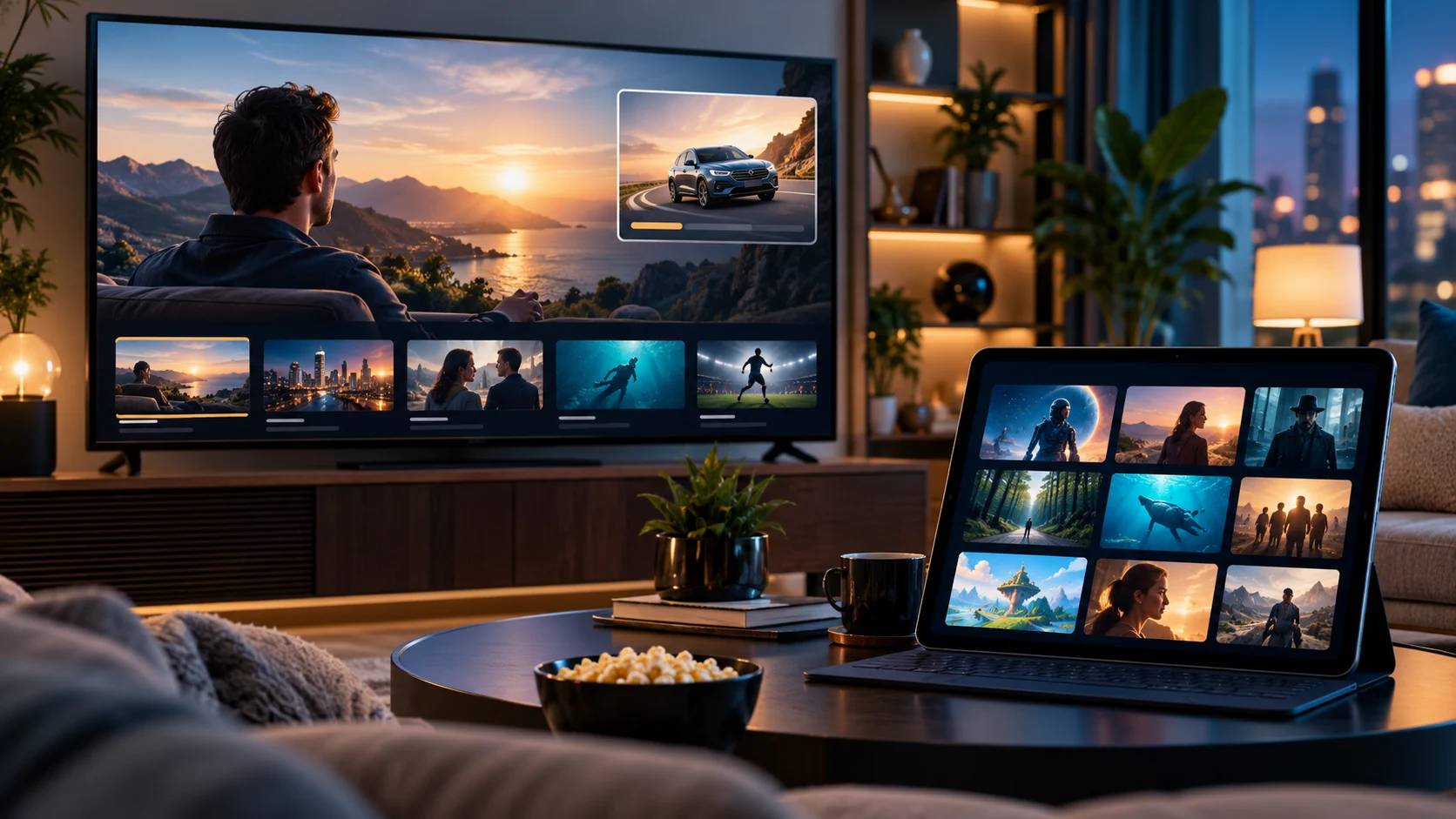
Connected television is set to become an essential component of digital entertainment, bringing Internet based streaming to bigger screens.
As a consequence, television friendly interfaces and playback reliability are becoming increasingly important.
Operators should consider the following:
Remote friendly menus and navigation
Readable text and content artwork
Synchronization of watch history
Playback performance on supported devices
Businesses considering cross device OTT streaming features should analyze how applications perform on both mobile interfaces and television displays.
A viewer should be able to begin a series on a smartphone and continue watching on television.
4. Live Sports Streaming Is Increasing Technical Expectations
Connected television is poised to become a major distribution platform for digital entertainment, bringing Internet based streaming to larger screens.
As a result, TV friendly UI and playback reliability are becoming a priority.
Operators should focus on the following areas :
Remote friendly menu systems and navigation,
Content discovery with readable text and graphics,
Syncing of viewing progress,
And playback performance on supported devices.
For operators looking to offer cross device OTT (over the top) streaming, it is critical to assess applications across mobile devices and TVs, in order to ensure that a viewer can abandon a title on one device and resume viewing on another.
5. Content Aggregation Is Addressing Streaming Fragmentation
Many viewers use several applications to get access to their favorite shows. Content aggregation aims to resolve this challenge.
Instead of having to manage their libraries separately, operators can consolidate different sources of licensed content within one aggregated video library.
This method may be used to optimize :
content discovery,
management of different content sources,
navigation tools,
analyze audience engagement.
It is important to note that aggregation still requires meticulous licensing, as well as the management and maintenance of metadata and availability by region. A specific title is of no use to the viewer who is unable to gain access to it.
6. Regional Content and Micro Dramas Are Expanding Entertainment Choices
Regional language programming and short form scripted series are set to evolve due to the emergence of specialized streaming platforms.
Micro drama formats require tailored linear navigation, billing, and playback controls.
Meanwhile, regional entertainment is witnessing demand for advanced features such as multilingual and localized subtitles, dubbing, language filters, and recommendation engines.
Before embarking on a vertical with new languages or formats, OTT operators are advised to conduct extensive audience preference assessments, as well as inventory audits.
7. Streaming Reliability Is Becoming a Retention Priority
Advanced recommendations and monetization options are almost useless to the viewer faced with multiple playback failures.
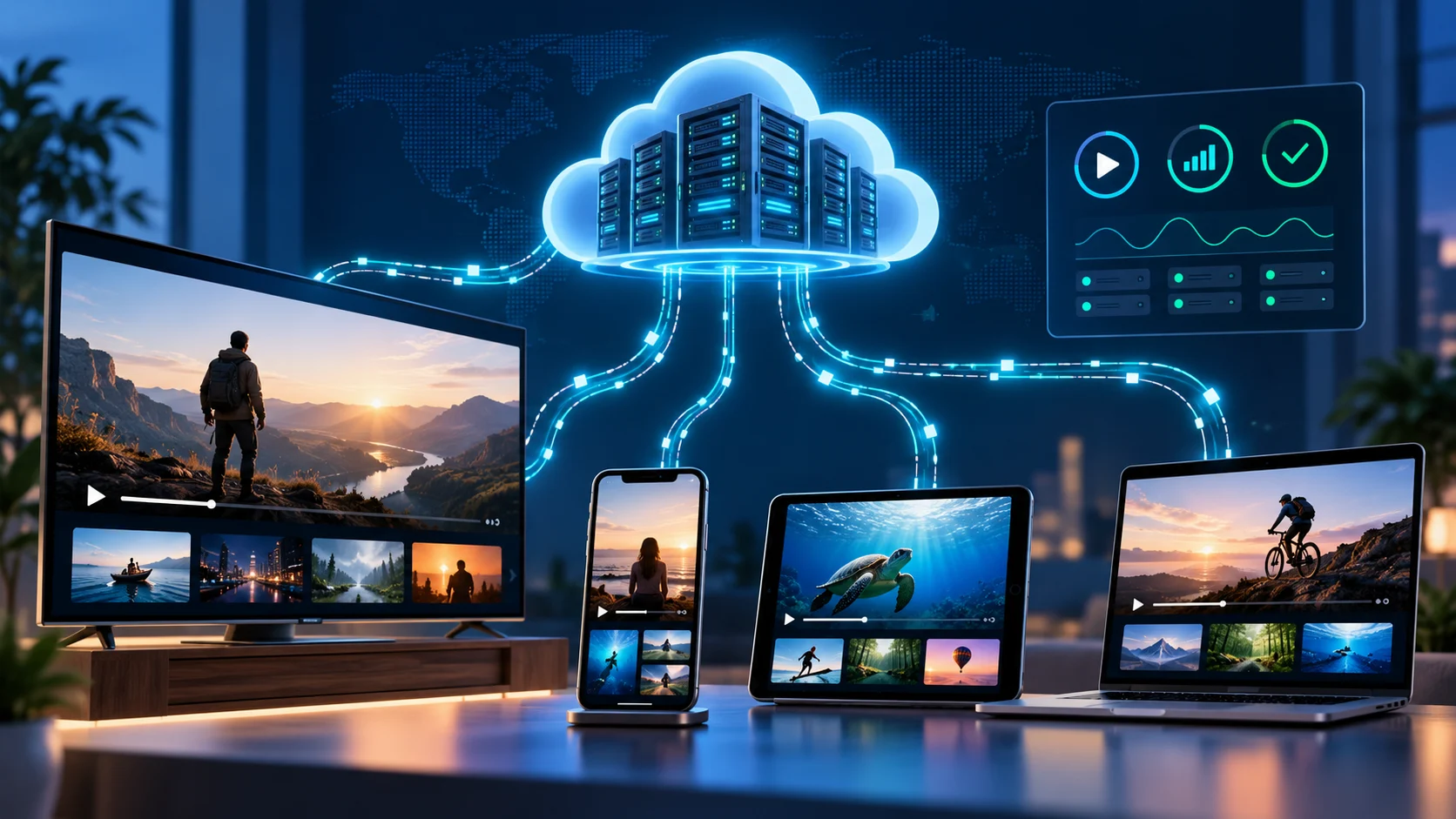
Various technical aspects contribute to video streaming services:
Adaptive bitrate streaming accounts for varying degrees of quality.
Content delivery networks enable the distribution of videos globally.
Digital rights management allows for the protection of content.
Analytics track malfunctions such as buffering or slow loading and help identify the cause of the failure.
The ultimate aim is to provide viewers with an appropriate experience that works reliably if the viewer wants to watch videos.
Which Streaming Trends Should OTT Businesses Prioritize?
Not every business needs to adopt every trend immediately. The right investment depends on its audience, content strategy, and current operational challenges.
Business goal | Relevant trend | Main priority |
Improve content discovery | AI personalization | Relevant recommendations |
Expand revenue opportunities | AVOD and FAST | Flexible monetization |
Reach television audiences | Connected TV | Cross device usability |
Broadcast sporting events | Live streaming | Low latency and stability |
Combine content libraries | Content aggregation | Centralized management |
Reach regional audiences | Localization | Language accessibility |
An operator struggling with buffering should prioritize playback improvements before introducing additional personalization features.
Similarly, a platform with strong technical performance but low engagement may benefit more from improving content discovery.
How Does StreamPlay Support Modern OTT Requirements?
StreamPlay offers a branded Over The Top (OTT) solution ideal for companies that want to provide live, licensed, and on demand entertainment.
The platform includes content management, monetization, personalization, and multi device distribution, so it caters to firms that want to explore any of the outlined trends.
For example, the VOD and Series Streaming solution highlights the capability to aggregate and manage any type of on demand content, brand apps, and deliver personalized experiences for viewers.
Therefore, it is important for companies to consider the benefits of such platforms regarding their programming, targeting, distribution channels, and monetization strategy.
How Can Streaming Businesses Prepare for the Future?
A practical OTT strategy should begin with the viewer's needs rather than the latest technology.
Understand your audience: Identify viewing preferences, popular devices, and content categories.
Choose suitable monetization: Compare subscriptions, advertising, pay-per-view, and hybrid models.
Prioritize the experience: Improve search, navigation, playback, and accessibility.
Test across devices: Review streaming performance under different network conditions.
Measure and improve: Track engagement, playback failures, viewing completion, and retention.
Start with improvements that address measurable problems before expanding into more complex features.
Final Thoughts
The trends of the streaming platform that will determine 2026 reflect the significance of delivering an accessible, personalized experience.
Although such tendencies as FAST channels, recommendation system application, content aggregation, and connected TV provide numerous advantages to the companies implementing them, their practical effectiveness depends on how well they respond to the viewers’ demands.
Therefore, for the OTT providers, the combination of the relevant content, proper monetization, and dependable delivery seems more important and profitable than following the trends.
For more streaming industry insights and OTT technology updates, follow StreamPlay AI on LinkedIn.
Planning to launch or modernize an OTT platform?
StreamPlay helps media companies, sports leagues, and broadcasters launch branded OTT aggregator apps with CMS, monetization, discovery, and multi-device support.
Frequently Asked Questions
What are the most common streaming platform trends in 2026?
The key trends are artificial intelligence, ad supported streaming, aggregation, connected TV, and enhanced live streaming.
Why are ad supported streaming platforms rising?
Such platforms allow viewers to enjoy high quality content at an affordable price as they also enable streaming services to monetize their content via advertising.
How does artificial intelligence impact OTT platforms?
AI enabled personalization, recommendation engines, search, and analytics.
What is the role of connected television in the streaming industry?
It enables consumers to enjoy a larger viewing screen while also providing an alternative to cable TV. In addition, it allows for a better OTT app experience and increased demand for connected TVs.
Why is content aggregation essential for streaming services?
It consolidates content from various providers and offers a more accessible interface for users.
How can streaming companies prepare for the future of OTT?
Personalized content discovery, flexible monetization options, smooth playback, and multi device compatibility.