
How Consumer Viewing Behavior Is Changing in 2026
Discover how consumer viewing behavior is changing in 2026 through social discovery, flexible subscriptions, device switching, and evolving OTT habits.


Table of contents
How Consumer Viewing Behavior Is Changing
A viewer finds a series on social media, searches for it on a streaming app, and leaves when it is not available. Another viewer cancels the subscription after watching their favorite series and renews it when the next season comes out.
These are examples of typical viewer behavior in 2026. Overall, users are becoming more careful about what and how much they watch and which platforms to invest their money in.
It is critical for streaming services to recognize this trend and respond appropriately to remain relevant and attract new customers.
Quick Answer
Why Are Consumers Watching Content Differently in 2026?
Traditional television forces you to adjust your lifestyle around the TV. However, streaming puts control back into the hands of the consumer.
The problem comes when there is an overload of choice.
As we enter the year 2026, it is clear that consumers are looking for more in their streaming experiences. As an operator, you need to consider their expectations and requirements, such as :
Instant availability of the content they want to watch,
Flexible subscription options,
Intelligent recommendations,
Cross platform availability and synchronization.
With the right white labeled Ongoing TV Everywhere platform, you can offer your users their favorite entertainment on any device. But to succeed, you need to understand why your audience watches television and what they do and do not want to see.
What Are the Biggest Changes in Consumer Viewing Habits?
Viewers Are Becoming More Selective About Subscriptions
Consumers are becoming increasingly selective about the streaming subscriptions they maintain on a yearly basis.
As per the 2026 Deloitte Digital Media Trends report, 61% of the surveyed US consumers would unsubscribe from their favorite streaming platform if its monthly price were to increase by $5.
Therefore, it is becoming harder to keep consumers subscribed as their behaviors demonstrate that they are always on the lookout for better offers.
Some ways that consumers tend to lower their spending on streaming services are :
- Canceling subscriptions after watching relevant TV shows,
- Opting for cheaper plans with ads,
- Resubscribing when their favorite content gets renewed, and
- Checking out what other platforms offer before investing.
Hence, the actions undertaken by the O2O providers can play an essential role in keeping audiences hooked.
2. Entertainment Discovery Is Starting Outside Streaming Apps
The path from discovery to viewing becomes less straightforward
A viewer could stumble upon a clip on Instagram, be introduced to a documentary by a social media creator, or find a series suggested by an online forum.
Social media is having an increasing impact on the viewing behavior of younger generations.
Let’s imagine a typical discovery scenario :
The viewer finds a brief clip on social media
This clip sparks their interest in the whole series.
They go to the streaming service of choice and type in the name of the series.
Whether the search yields useful results or not will determine if the viewer gets to watch the series or not
As streaming services, you want to reduce the number of obstacles between discovery and playback for your viewers.
3. Viewing Duration Depends More on Available Time
Not everything is watched as a full movie / TV show.
Consumers are seeking entertainment in shorter formats.
For example:
Short: Reels, highlights, short films.
Evening: Movies, shows.
Weekends: Live sport, longer formats, several episodes.
It doesn’t mean long form formats aren’t needed. But viewers are expecting access to different formats based on their availability.
Streaming companies can adapt by creating content which can be watched in a way most suited to them, with the episode length and easy to continue.
4. Consumers Expect Viewing to Continue Across Devices
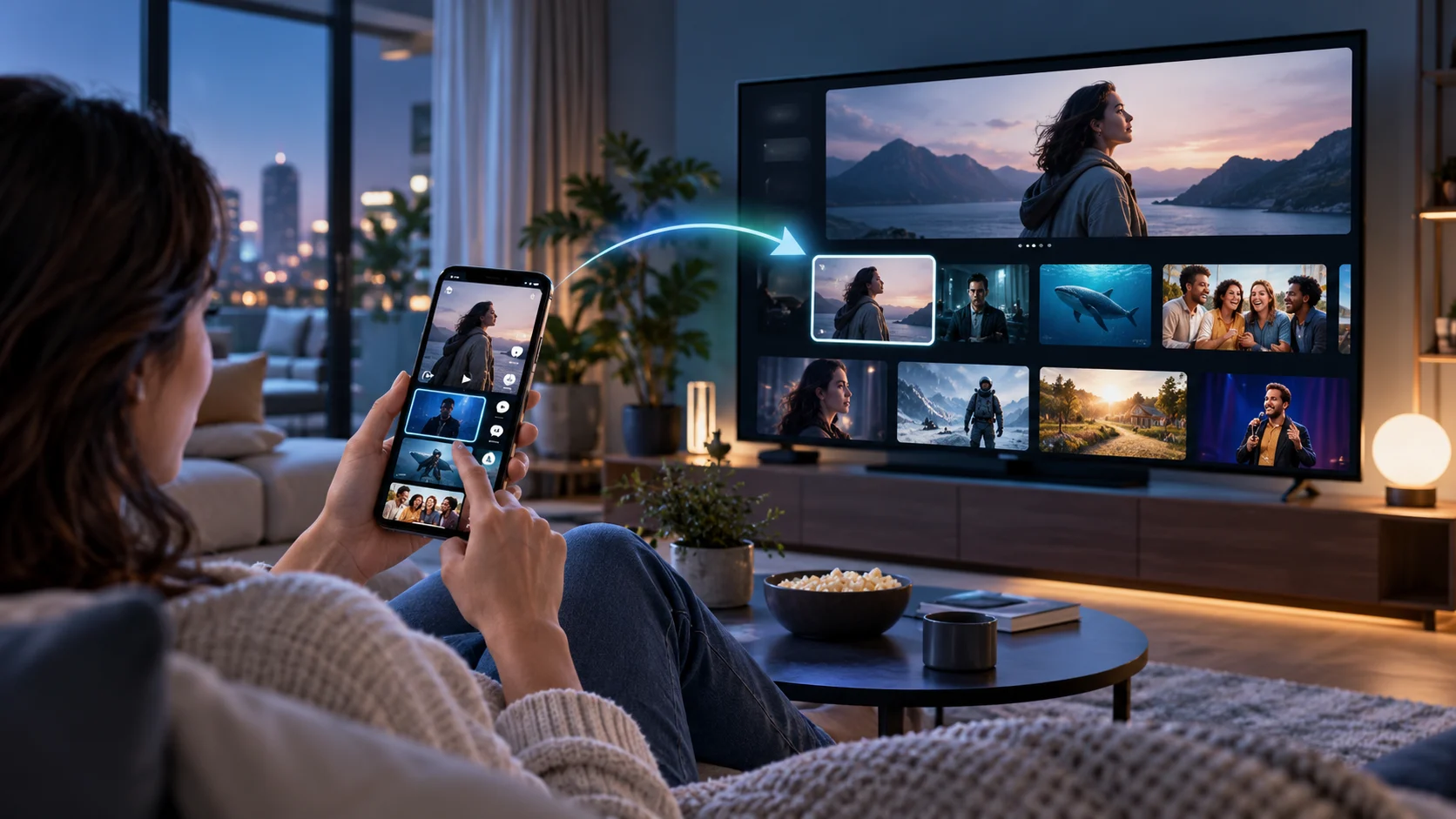
A consumer may start watching on a smart phone and then continue watching on TV.
This leads to expectations.
Features such as watch history, sync progress and personal profiles help keep the user experience consistent.
When looking at how multi device friendly the streaming service is it is important to think about how easily you can switch to another screen.
Things to consider are:
Playback resumes
Navigation is consistent
Playback is reliable
Subtitles and audio are available
A familiar experience will make it easier to continue watching.

5. Viewers Are Developing Stronger Connections With Entertainment Communities
The customer journey is moving towards wider loyalty.
Social media, live and entertainment communities have become a key part of the journey, meaning audiences are becoming loyal to a show, character, team and/or creator.
Consumers will often remain loyal throughout the year according to Deloitte's research (2026).
Streaming services can use extra content such as behind the scenes, teasers, montages and targeted recommendations to keep the audience engaged.
However, it needs to be used effectively without being annoying. Viewers should have control over what they are alerted to and personal messages.
How Are Changing Habits Affecting OTT Platform Strategies?
Changes in viewing behavior require streaming services to reconsider how they organize content, price subscriptions, and measure engagement.
Consumer behavior | OTT platform response | Business priority |
Subscription switching | Flexible pricing options | Retention |
Social media discovery | Improved content search | Content discovery |
Short viewing sessions | Relevant short form categories | Engagement |
Cross device viewing | Synchronized watch history | Convenience |
Interest in entertainment communities | Relevant content updates | Audience loyalty |
Sensitivity to interruptions | Reliable playback and sensible ad placement | Viewer satisfaction |
Will depend on who you are targeting.
A live streaming sport site may be more concerned about ensuring they can stream live events reliably. Whilst a movie orientated site may benefit more from recommendation and watch list features.
How Can Streaming Businesses Respond to These Changes?
Only if it helps improve things will you get value out of understanding your consumers.
To get started streaming companies can, look at:
What are people watching? What devices, genres and sessions are engaging.
Where are people dropping off? Are they having issues searching, playing or completing content?
Can people find what they are looking for? Ensure accurate categorisation, language options and recommendations.
What payment methods are preferred? Compare how well subscriptions are working compared to advertising supported or pay per view.
Are people sticking around? How many people are coming back, cancelling and engaging with different content.
This can help companies understand what their audience actually wants.

How Does StreamPlay Support Evolving Viewing Expectations?
Offering an out of the box solution for OTT, StreamPlay provides businesses with the infrastructure they need to deliver licensed content through streaming apps.
It can be used to manage content discovery, personalization, and delivery.
For entertainment companies with large content libraries, StreamPlay’s on demand and series streaming can be used to provide a centralized library for your content, with recommendations and delivery across devices.
These features can help operators with the changing tastes of their viewers.
From here it is important to consider what issues your viewers are facing, and how to best prioritize improvements that will make a difference.
Final Thoughts
The consumer is becoming more fluid in 2026.
They are being more flexible about what they watch, where and how they subscribe.
Understanding why they are choosing certain services will be key to OTT providers. Ensuring there are no barriers to them watching by providing high quality video, personal recommendations and clear pricing will help you provide a great viewing experience.
For more insights into consumer viewing habits and OTT technology, follow StreamPlay AI on LinkedIn.
Planning to launch or modernize an OTT platform?
StreamPlay helps media companies, sports leagues, and broadcasters launch branded OTT aggregator apps with CMS, monetization, discovery, and multi-device support.
Frequently Asked Questions
How have consumer viewing habits changed in 2026?
Consumers are moving towards more flexible subscriptions, personal content, short videos and easy to access streaming.
Why are consumers switching between different streaming services?
Usually because of the price of the subscription, what is available to stream, their changing interests and new content being released.
How has social media impacted streaming?
Easily helping people to discover new movies, shows and creators using trailers, short videos and recommendations.
Are consumers watching more short videos?
Short videos are popular for quick entertainment however movies and long running shows are still a big part of peoples viewing.
Why is personal content important on an OTT service?
Easily finding content that is relevant to you.
How can OTT help with changing consumer habits?
Improved content discovery, flexible pricing, multi device and engagement tracking.