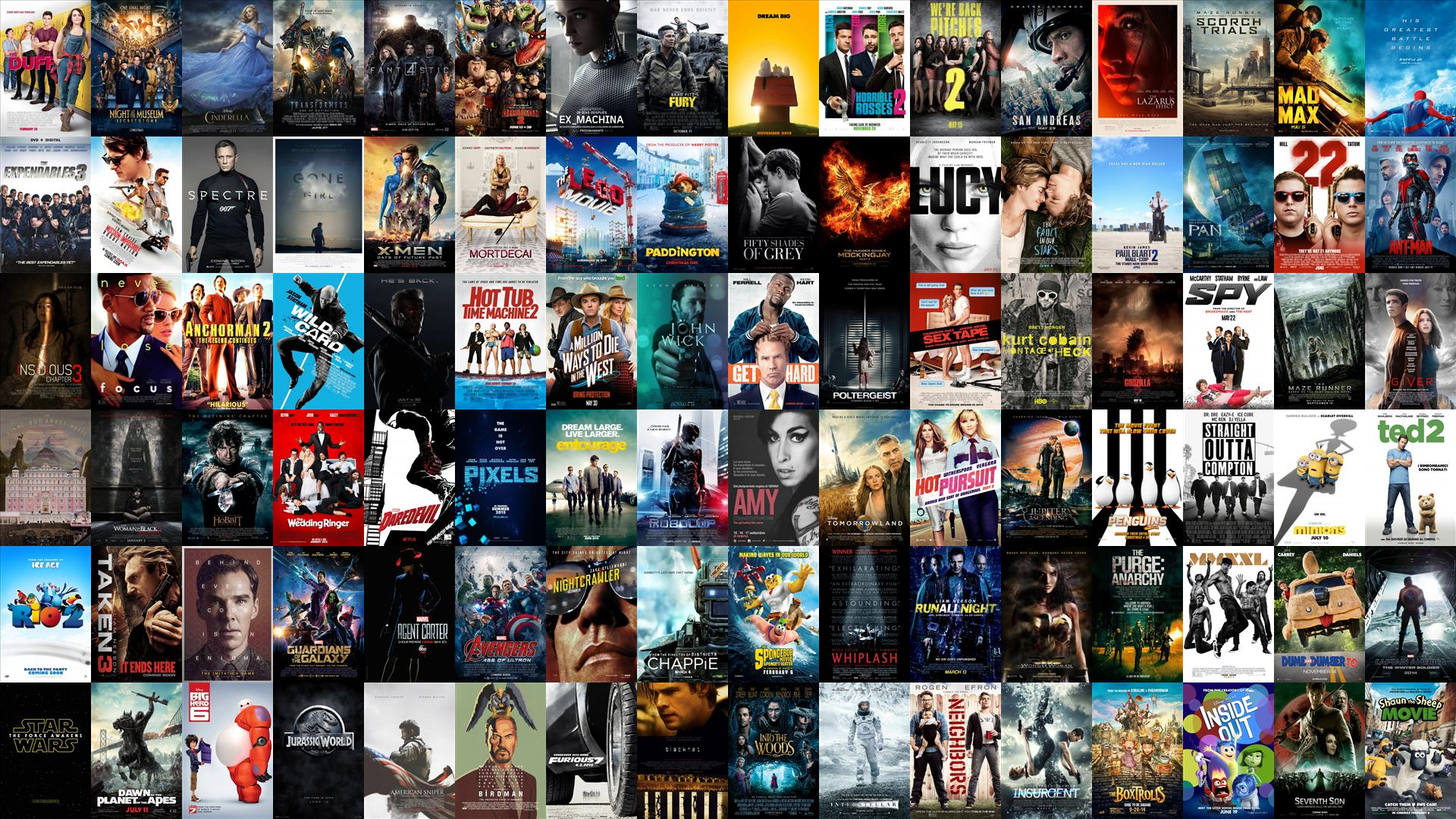
StreamPlay is organized to help viewers move from curiosity to playback without confusion. The experience centers on clear categories, familiar labels, and dependable navigation so people can browse quickly or explore in depth. Each section is designed to answer a simple question: what can I watch right now that fits my mood, time, and device? The content rails, filters, and navigation paths are structured so casual viewers can find something in minutes while dedicated fans can compare options across genres, formats, and release eras. This description explains that focus in a way that supports search engines and screen readers without adding visible clutter.
Clear grouping of movies, series, reels, and live programming.
Consistent labels for genre, mood, and audience expectations.
Short paths from discovery to details to playback intent.
Stable layout patterns across desktop, tablet, and mobile views.
Predictable placement for navigation, actions, and content rails.
Discovery and Browsing Structure
The discovery flow emphasizes clarity over noise by presenting curated selections, trending items, and editorial highlights in a steady visual rhythm. This supports both quick scanning and deeper exploration, so a visitor can stop after one row or keep moving through multiple sections. Collections are built to help users compare titles by genre, tone, cast, and audience suitability without excessive clicks. The structure is designed to reduce decision fatigue by grouping related options together and avoiding excessive duplication across rails.
Editorial collections that surface timely picks and evergreen hits.
Trending rows that reflect current interest and viewing momentum.
Genre collections that balance mainstream and niche audiences.
Curated mixes that combine tone, pace, and thematic elements.
Clear ordering that keeps exploration fast and understandable.
Search and Intent Matching
Search and filter tools are presented as practical helpers rather than complex systems. They allow a user to find a known title quickly or refine a broad interest into a concrete option. Search results are meant to show recognizable artwork, stable titles, and key metadata that signals whether a result is a film, series, or short form entry. This helps users decide faster, especially when they are balancing time or genre constraints.
Fast keyword matching for titles, cast names, and collections.
Filters for genres, languages, release years, and content types.
Search results that clarify format and expected viewing length.
Options that support discovery when the exact title is unknown.
Clear labeling that reduces confusion across similar names.
Movies and Feature Presentation
The movies area highlights new releases, popular picks, and long standing favorites so viewers can choose a film that fits a short session or an extended evening. Movie cards emphasize recognizable imagery, concise metadata, and a straightforward pathway to details and playback. The design supports both first time visitors and returning users by keeping categories stable and avoiding excessive layout shifts.
New arrivals for viewers who want the latest releases.
Top rated and community favorites for trusted options.
Genre hubs that group action, comedy, drama, and family films.
Collections that reflect seasonal, cultural, or thematic interests.
Clear artwork and titles that help quick recognition.
Series and Episodic Viewing
Series browsing is tailored to episodic habits, where viewers often look for continuity, strong narratives, and consistent quality across seasons. The organization helps users compare long running series with limited series, and it supports people who want to binge or continue a show later. The page structure offers a consistent path to seasons and episode detail, reducing friction when moving from discovery to active viewing.
Trending series that reflect current viewing demand.
Recently updated shows for returning viewers.
Genre groups for crime, sci fi, romance, and documentary formats.
Collections that highlight completed stories and long arcs.
Easy recognition of season counts and series status.
Short Form and Micro Drama Content
Short form sections focus on quick engagement, concise storytelling, and mobile friendly viewing habits. These areas surface reels and micro dramas that are suited for brief sessions, commuting, or casual breaks. The layout keeps the experience lightweight while still offering discovery depth through topics, creators, and trending formats.
Short videos optimized for fast starts and quick decisions.
Micro drama collections that emphasize compact storytelling.
Trending reels that capture recent interest and viral momentum.
Topic based rows that group similar themes and styles.
Creator focused selections that encourage follow through.
Live Sports and Event Coverage
Live sports and events require clear scheduling context and immediate access. This area emphasizes live status cues, practical grouping by sport, and quick paths to highlights for viewers who missed a match. It balances real time viewing with on demand replays so the content remains useful across different time zones and viewing schedules.
Live now groupings to surface active events quickly.
Sports categories for cricket, football, and broad coverage.
Highlights and recap rows for time limited viewers.
Stable scheduling cues that reduce confusion across events.
Easy transitions between live feeds and on demand clips.
Account, Support, and Trust Signals
Support content focuses on clarity and trust by explaining plans, devices, billing, and account access in a structured manner. This reinforces reliability for users who are evaluating a subscription or resolving a problem. The support and contact pages are designed to keep options clear, provide simple next steps, and avoid unnecessary loops.
FAQ coverage for billing, devices, and subscription management.
Contact options that indicate response pathways and expectations.
Guidance for account access, password reset, and profile changes.
Device compatibility and playback troubleshooting steps.
Clear language that reduces stress during support requests.
Performance and Accessibility Focus
The platform emphasizes performance by reducing friction across page loads, caching predictable resources, and avoiding unnecessary layout jumps. Accessibility is reinforced with clear headings, structured content, and descriptive labels so screen readers can map the experience without visual cues. This additional narrative exists to strengthen search relevance while also supporting assistive technologies.
Consistent heading structure to support screen reader navigation.
Simple language that reduces cognitive load during browsing.
Stable layout patterns for predictable keyboard traversal.
Concise descriptions that clarify what each area provides.
Performance oriented structure that keeps interactions snappy.
StreamPlay - Watch Live TV and On-Demand Video Streaming Platform
StreamPlay home page is a discovery focused entry point that helps users quickly explore live channels, on demand videos, featured highlights, and category based recommendations in one consistent layout. The page is structured to support multiple viewing intents, including users who want immediate entertainment, users comparing options before selecting a title, and users returning to continue browsing familiar sections. Content is grouped into practical rails so users can move through action, comedy, drama, trending, editorial selections, and other curated themes without unnecessary navigation steps. This design improves clarity by presenting key choices early while preserving depth for users who want to explore more. The homepage also acts as a central bridge to movies, series, reels, and related sections, reducing friction between discovery and playback flows. It is designed for desktop and mobile behavior with stable ordering, readable labels, and predictable interaction patterns that make browsing efficient even during short sessions. StreamPlay uses this page to connect broad interest signals with specific watch options, helping users decide faster and with higher confidence. The objective is practical usability: consistent structure, straightforward movement across sections, and a reliable way to discover content that matches mood, genre, and viewing time without feeling overloaded by irrelevant information.
Platform Overview and Viewing Goals
StreamPlay is organized to help viewers move from curiosity to playback without confusion. The experience centers on clear categories, familiar labels, and dependable navigation so people can browse quickly or explore in depth. Each section is designed to answer a simple question: what can I watch right now that fits my mood, time, and device? The content rails, filters, and navigation paths are structured so casual viewers can find something in minutes while dedicated fans can compare options across genres, formats, and release eras. This description explains that focus in a way that supports search engines and screen readers without adding visible clutter.
Clear grouping of movies, series, reels, and live programming.
Consistent labels for genre, mood, and audience expectations.
Short paths from discovery to details to playback intent.
Stable layout patterns across desktop, tablet, and mobile views.
Predictable placement for navigation, actions, and content rails.
Discovery and Browsing Structure
The discovery flow emphasizes clarity over noise by presenting curated selections, trending items, and editorial highlights in a steady visual rhythm. This supports both quick scanning and deeper exploration, so a visitor can stop after one row or keep moving through multiple sections. Collections are built to help users compare titles by genre, tone, cast, and audience suitability without excessive clicks. The structure is designed to reduce decision fatigue by grouping related options together and avoiding excessive duplication across rails.
Editorial collections that surface timely picks and evergreen hits.
Trending rows that reflect current interest and viewing momentum.
Genre collections that balance mainstream and niche audiences.
Curated mixes that combine tone, pace, and thematic elements.
Clear ordering that keeps exploration fast and understandable.
Search and Intent Matching
Search and filter tools are presented as practical helpers rather than complex systems. They allow a user to find a known title quickly or refine a broad interest into a concrete option. Search results are meant to show recognizable artwork, stable titles, and key metadata that signals whether a result is a film, series, or short form entry. This helps users decide faster, especially when they are balancing time or genre constraints.
Fast keyword matching for titles, cast names, and collections.
Filters for genres, languages, release years, and content types.
Search results that clarify format and expected viewing length.
Options that support discovery when the exact title is unknown.
Clear labeling that reduces confusion across similar names.
Movies and Feature Presentation
The movies area highlights new releases, popular picks, and long standing favorites so viewers can choose a film that fits a short session or an extended evening. Movie cards emphasize recognizable imagery, concise metadata, and a straightforward pathway to details and playback. The design supports both first time visitors and returning users by keeping categories stable and avoiding excessive layout shifts.
New arrivals for viewers who want the latest releases.
Top rated and community favorites for trusted options.
Genre hubs that group action, comedy, drama, and family films.
Collections that reflect seasonal, cultural, or thematic interests.
Clear artwork and titles that help quick recognition.
Series and Episodic Viewing
Series browsing is tailored to episodic habits, where viewers often look for continuity, strong narratives, and consistent quality across seasons. The organization helps users compare long running series with limited series, and it supports people who want to binge or continue a show later. The page structure offers a consistent path to seasons and episode detail, reducing friction when moving from discovery to active viewing.
Trending series that reflect current viewing demand.
Recently updated shows for returning viewers.
Genre groups for crime, sci fi, romance, and documentary formats.
Collections that highlight completed stories and long arcs.
Easy recognition of season counts and series status.
Short Form and Micro Drama Content
Short form sections focus on quick engagement, concise storytelling, and mobile friendly viewing habits. These areas surface reels and micro dramas that are suited for brief sessions, commuting, or casual breaks. The layout keeps the experience lightweight while still offering discovery depth through topics, creators, and trending formats.
Short videos optimized for fast starts and quick decisions.
Micro drama collections that emphasize compact storytelling.
Trending reels that capture recent interest and viral momentum.
Topic based rows that group similar themes and styles.
Creator focused selections that encourage follow through.
Live Sports and Event Coverage
Live sports and events require clear scheduling context and immediate access. This area emphasizes live status cues, practical grouping by sport, and quick paths to highlights for viewers who missed a match. It balances real time viewing with on demand replays so the content remains useful across different time zones and viewing schedules.
Live now groupings to surface active events quickly.
Sports categories for cricket, football, and broad coverage.
Highlights and recap rows for time limited viewers.
Stable scheduling cues that reduce confusion across events.
Easy transitions between live feeds and on demand clips.
Account, Support, and Trust Signals
Support content focuses on clarity and trust by explaining plans, devices, billing, and account access in a structured manner. This reinforces reliability for users who are evaluating a subscription or resolving a problem. The support and contact pages are designed to keep options clear, provide simple next steps, and avoid unnecessary loops.
FAQ coverage for billing, devices, and subscription management.
Contact options that indicate response pathways and expectations.
Guidance for account access, password reset, and profile changes.
Device compatibility and playback troubleshooting steps.
Clear language that reduces stress during support requests.
Performance and Accessibility Focus
The platform emphasizes performance by reducing friction across page loads, caching predictable resources, and avoiding unnecessary layout jumps. Accessibility is reinforced with clear headings, structured content, and descriptive labels so screen readers can map the experience without visual cues. This additional narrative exists to strengthen search relevance while also supporting assistive technologies.
Consistent heading structure to support screen reader navigation.
Simple language that reduces cognitive load during browsing.
Stable layout patterns for predictable keyboard traversal.
Concise descriptions that clarify what each area provides.
Performance oriented structure that keeps interactions snappy.
The contact and support page is where StreamPlay users can submit requests, ask account questions, and find practical answers to common issues. It combines a direct contact form with a structured FAQ so visitors can either solve problems immediately or send a detailed message to the support team. This improves user confidence and reduces friction when help is needed. It emphasizes reliability, straightforward structure, and consistent layout so visitors can understand the platform quickly. The wording prioritizes clarity over hype, uses neutral language, and reinforces what the page actually helps a viewer accomplish. It also highlights how the page connects browsing intent to a concrete next step, whether that is playing a title, saving a choice, or exploring another related category. This extra context improves topical depth and provides clear signals for search systems while remaining useful for people who skim or use assistive tech. Additional sentences explain the kinds of decisions a viewer might make, the patterns they can expect in the interface, and the reasons the page exists as part of the overall product. It stresses predictable navigation, stable labeling, and content grouping that helps users compare options without needing to open many tabs. It clarifies that the page is built to reduce friction, shorten the time to a confident choice, and make discovery feel organized rather than random.
Support content on this page is organized for clarity, with question and answer entries that address typical platform concerns such as access, account use, and general service guidance. The goal is to provide a reliable help destination that users can understand quickly on both mobile and desktop devices. By offering actionable support information, StreamPlay improves trust, usability, and service transparency. The copy also covers navigation expectations, content grouping logic, and the overall value of the page within the StreamPlay experience. It explains how users can move between discovery, evaluation, and playback without confusion, and it notes that the page is optimized for both mobile and desktop viewing. By describing functionality and intent in plain language, the text supports accessibility and helps search engines understand the page purpose beyond keyword matching, leading to better relevance for long tail queries. It adds detail about the kinds of browsing paths supported, such as jumping between categories, returning to saved items, or scanning highlights before committing to a long watch session. It references consistent card layout, readable labels, and clear action affordances so users can orient themselves quickly. It also states that the page is meant to be easy to understand with screen readers and keyboard navigation, reinforcing inclusive design while maintaining practical value.
We are here for you anytime
We are here to help you with any issue you may have.
Frequently asked questions
Join now with your email address and choose your plan to get started.