
Latest Article
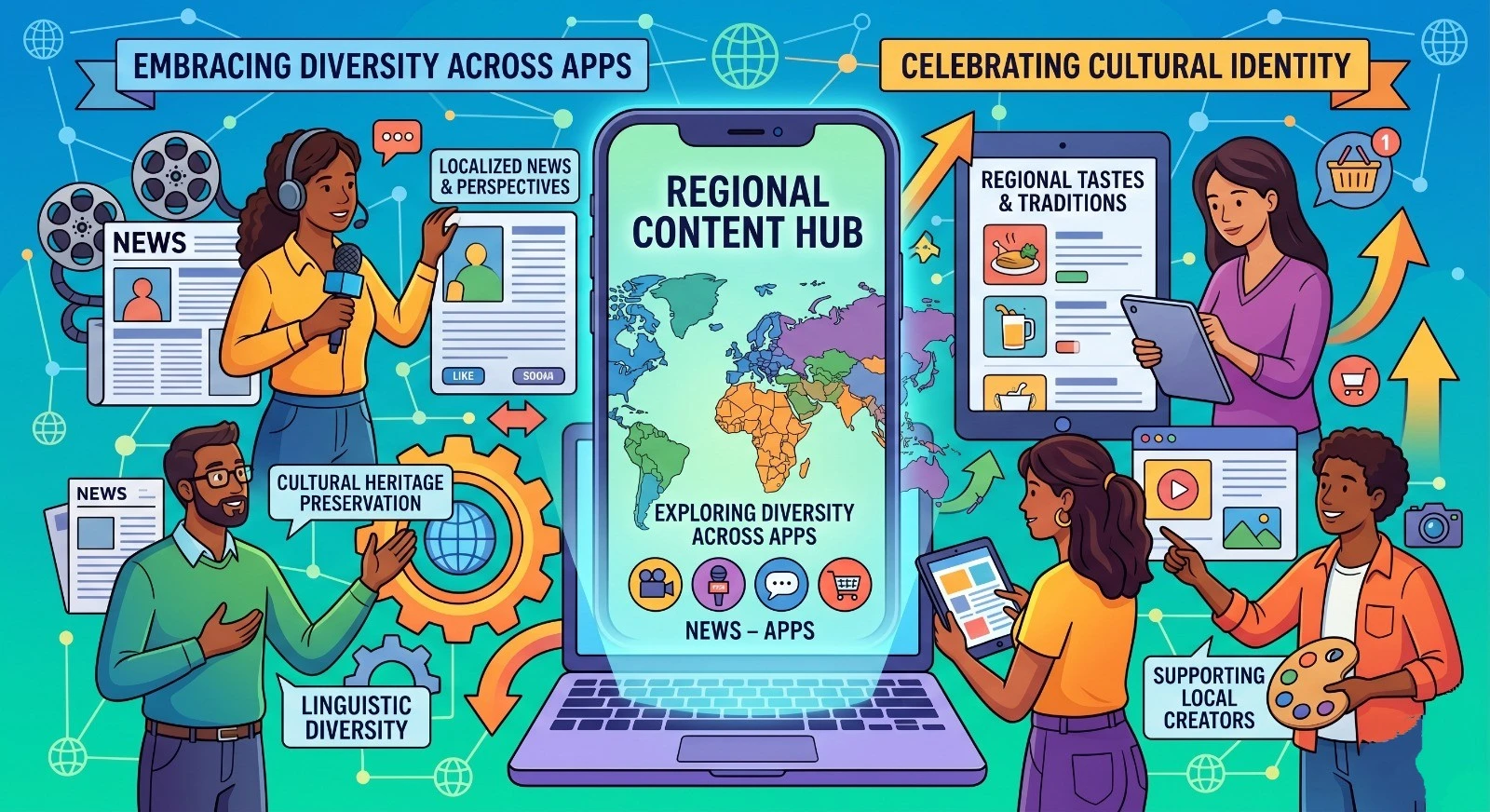
Your Regional Content Hub: Exploring Diversity Across Apps
In an increasingly connected world, digital apps have become the primary gateway to entertainment, information, and social interaction.

By StreamPlay EditorialContent Team
Published: August 21, 2026
15 min read
Key Takeaways
Table of contents
In an increasingly connected world, digital apps have become the primary gateway to entertainment, information, and social interaction. From streaming platforms and news aggregators to social media and e-commerce, apps shape how we consume content daily. Yet, despite this global reach, one of the most exciting trends in the digital landscape is the rise of regional content hubs — platforms and apps that celebrate and showcase the cultural diversity of specific regions.
These regional content hubs are transforming the way we experience media by offering tailored content that reflects local languages, traditions, stories, and perspectives. They not only provide entertainment but also foster cultural pride, inclusivity, and a deeper understanding of diverse communities.
In this blog, we will explore the concept of regional content hubs, why they matter, how different apps embrace regional diversity, and what this means for users worldwide.
These regional content hubs are transforming the way we experience media by offering tailored content that reflects local languages, traditions, stories, and perspectives. They not only provide entertainment but also foster cultural pride, inclusivity, and a deeper understanding of diverse communities.
In this blog, we will explore the concept of regional content hubs, why they matter, how different apps embrace regional diversity, and what this means for users worldwide.
What Is a Regional Content Hub?
A regional content hub is a digital platform or app that curates and delivers content specifically designed for a particular geographic area or cultural group. Unlike global platforms that offer broad, generalized content, regional hubs focus on the unique tastes, languages, and cultural nuances of their target audience.
These hubs can include:
Streaming services featuring local films, TV shows, and music
News apps delivering regional news and perspectives
Social media platforms promoting local creators and communities
E-commerce apps highlighting regional products and artisans
By centering regional identity, these hubs create a sense of belonging and relevance for users, making digital experiences more personal and meaningful.
These hubs can include:
Streaming services featuring local films, TV shows, and music
News apps delivering regional news and perspectives
Social media platforms promoting local creators and communities
E-commerce apps highlighting regional products and artisans
By centering regional identity, these hubs create a sense of belonging and relevance for users, making digital experiences more personal and meaningful.
Why Regional Content Hubs Matter
The importance of regional content hubs goes beyond simple entertainment. They play a critical role in preserving cultural heritage, promoting linguistic diversity, and supporting local economies.
Preserving Cultural Heritage: Regional content hubs help keep traditional stories, music, and art alive by making them accessible to new generations through modern technology.
Promoting Linguistic Diversity: Many regions have languages and dialects that are underrepresented in mainstream media. Regional hubs provide content in these languages, fostering pride and usage.
Supporting Local Creators: By spotlighting regional talent, these platforms empower artists, filmmakers, journalists, and entrepreneurs to reach their communities and beyond.
Enhancing User Engagement: Personalized content that resonates culturally increases user satisfaction and loyalty.
Preserving Cultural Heritage: Regional content hubs help keep traditional stories, music, and art alive by making them accessible to new generations through modern technology.
Promoting Linguistic Diversity: Many regions have languages and dialects that are underrepresented in mainstream media. Regional hubs provide content in these languages, fostering pride and usage.
Supporting Local Creators: By spotlighting regional talent, these platforms empower artists, filmmakers, journalists, and entrepreneurs to reach their communities and beyond.
Enhancing User Engagement: Personalized content that resonates culturally increases user satisfaction and loyalty.
Examples of Regional Content Hubs Across Apps
Let’s look at how various apps and platforms embrace regional diversity to create vibrant content hubs around the world.
1. Streaming Platforms
Streaming services have recognized the value of regional content in attracting and retaining subscribers. Many global players now invest heavily in local productions, while regional platforms cater exclusively to local audiences.
Hotstar (India): Hotstar offers a vast library of Indian movies, TV shows, and sports content in multiple regional languages such as Hindi, Tamil, Telugu, and Bengali, catering to India’s diverse linguistic landscape.
iQIYI (China): This platform focuses on Chinese dramas, variety shows, and films, many of which highlight regional cultures and dialects within China.
Showmax (Africa): Showmax features African films and series, showcasing stories from South Africa, Nigeria, Kenya, and other countries, promoting African voices and narratives.
2. News and Information Apps
Regional news apps provide localized reporting and perspectives that global news outlets may overlook.
Inshorts (India): This app delivers concise news summaries in English and several Indian languages, covering regional, national, and international news with a local touch.
Flipboard: Flipboard allows users to customize their news feeds by region and interests, enabling access to local stories and viewpoints worldwide.
Pulse Nigeria: A news app focusing on Nigerian news, entertainment, and lifestyle, reflecting the country’s unique culture and issues.
3. Social Media and Content Creation Apps
Social media platforms increasingly support regional content creation, helping local influencers and artists reach wider audiences.
TikTok: TikTok’s algorithm promotes regional trends and creators, enabling viral content that reflects local cultures and languages.
Clubhouse: This audio-based social app hosts region-specific rooms and discussions, fostering community engagement on local topics.
Vimeo and YouTube: Both platforms have channels and playlists dedicated to regional content, supporting creators from diverse backgrounds.
4. E-commerce and Lifestyle Apps
Apps that focus on regional products and lifestyles help preserve traditional crafts and support local economies.
Etsy: While global, Etsy features many sellers offering regionally inspired handmade goods, promoting cultural heritage through crafts.
Jumia (Africa): Jumia caters to African markets with products and sellers that reflect regional preferences and needs.
Tokopedia (Indonesia): This marketplace app supports Indonesian artisans and small businesses, highlighting local products and culture.
1. Streaming Platforms
Streaming services have recognized the value of regional content in attracting and retaining subscribers. Many global players now invest heavily in local productions, while regional platforms cater exclusively to local audiences.
Hotstar (India): Hotstar offers a vast library of Indian movies, TV shows, and sports content in multiple regional languages such as Hindi, Tamil, Telugu, and Bengali, catering to India’s diverse linguistic landscape.
iQIYI (China): This platform focuses on Chinese dramas, variety shows, and films, many of which highlight regional cultures and dialects within China.
Showmax (Africa): Showmax features African films and series, showcasing stories from South Africa, Nigeria, Kenya, and other countries, promoting African voices and narratives.
2. News and Information Apps
Regional news apps provide localized reporting and perspectives that global news outlets may overlook.
Inshorts (India): This app delivers concise news summaries in English and several Indian languages, covering regional, national, and international news with a local touch.
Flipboard: Flipboard allows users to customize their news feeds by region and interests, enabling access to local stories and viewpoints worldwide.
Pulse Nigeria: A news app focusing on Nigerian news, entertainment, and lifestyle, reflecting the country’s unique culture and issues.
3. Social Media and Content Creation Apps
Social media platforms increasingly support regional content creation, helping local influencers and artists reach wider audiences.
TikTok: TikTok’s algorithm promotes regional trends and creators, enabling viral content that reflects local cultures and languages.
Clubhouse: This audio-based social app hosts region-specific rooms and discussions, fostering community engagement on local topics.
Vimeo and YouTube: Both platforms have channels and playlists dedicated to regional content, supporting creators from diverse backgrounds.
4. E-commerce and Lifestyle Apps
Apps that focus on regional products and lifestyles help preserve traditional crafts and support local economies.
Etsy: While global, Etsy features many sellers offering regionally inspired handmade goods, promoting cultural heritage through crafts.
Jumia (Africa): Jumia caters to African markets with products and sellers that reflect regional preferences and needs.
Tokopedia (Indonesia): This marketplace app supports Indonesian artisans and small businesses, highlighting local products and culture.
How Regional Content Hubs Enhance User Experience
Regional content hubs improve digital experiences in several meaningful ways: Personalized Content: Tailoring content to regional tastes and languages makes users feel seen and valued. Community Building: These hubs foster connections among users who share cultural backgrounds and interests. Relevance and Trust: Localized content often resonates more deeply, increasing trust and engagement. Discovery of New Perspectives: For users outside the region, these hubs offer an authentic window into different cultures and lifestyles.
Challenges and Considerations
While regional content hubs offer many benefits, they also face challenges: Balancing Local and Global: Platforms must navigate how to serve regional audiences while appealing to global users. Content Quality and Diversity: Ensuring a wide range of high-quality content that reflects the full diversity of a region can be difficult. Language Barriers: Multilingual content requires effective translation and localization to reach broader audiences. Monetization and Sustainability: Supporting regional creators and maintaining platforms financially can be challenging, especially in smaller markets.
The Future of Regional Content Hubs
As technology advances and user demand for authentic, localized content grows, regional content hubs will continue to evolve and expand. Emerging trends include: AI and Machine Learning: Enhanced algorithms will better personalize content recommendations based on regional preferences and user behavior. Cross-Regional Collaborations: Creators from different regions will collaborate more, blending cultures and expanding audiences. Immersive Technologies: Virtual and augmented reality will enable users to experience regional cultures in new, interactive ways. Greater Support for Local Creators: Platforms will offer more tools and funding to help regional artists and entrepreneurs thrive.
How You Can Explore and Support Regional Content
As a user, you can actively engage with and support regional content hubs by: Seeking Out Local Content: Explore apps and platforms that focus on your region or other cultures you’re interested in. Supporting Regional Creators: Follow, share, and purchase from local artists, filmmakers, writers, and businesses. Providing Feedback: Let platforms know what regional content you want to see and how they can improve accessibility and diversity. Participating in Communities: Join online groups and discussions centered on regional culture and content.
Conclusion
Your regional content hub is more than just an app or platform — it’s a vibrant space that celebrates the unique stories, voices, and traditions of your community. By embracing regional diversity across apps, we enrich our digital experiences, foster cultural understanding, and support the creators who bring these stories to life. Whether you’re discovering local films, reading regional news, enjoying music in your native language, or shopping for handmade goods, regional content hubs connect you to the heart of culture and creativity. As these platforms grow and innovate, they will continue to shape a more inclusive, diverse, and engaging digital world for everyone.
Planning to launch or modernize an OTT platform?
StreamPlay helps media companies, sports leagues, and broadcasters launch branded OTT aggregator apps with CMS, monetization, discovery, and multi-device support.
Share this insight: